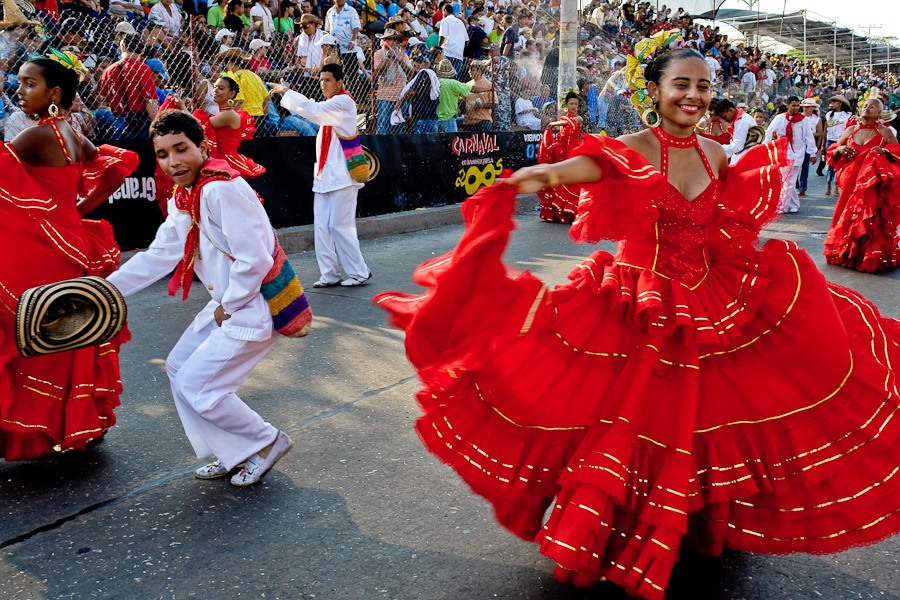
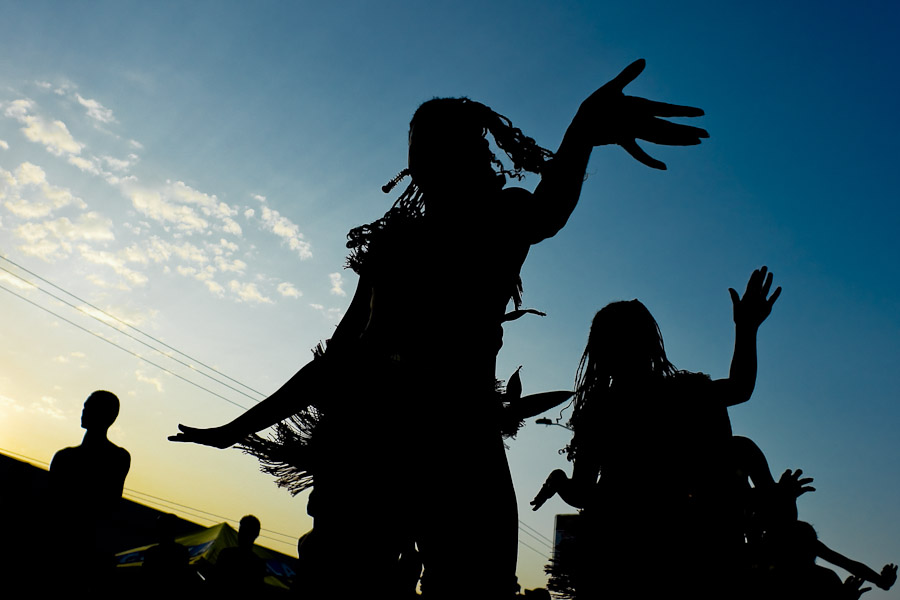
The soul of the Carnival of Barranquilla is cumbia, both music and dance. Cumbia originates here in the Caribbean region. It i a mixture of the African tribal dance with the Spanish influence.
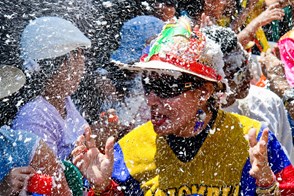
A lot of visitors of the fiesta enjoy doing crazy things as spraying a foam or throwing flour.
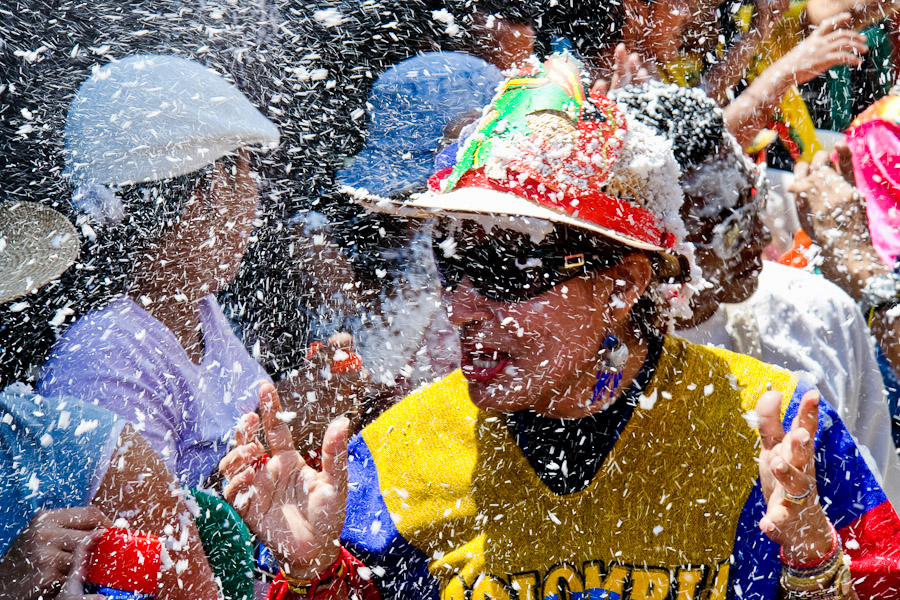
Most of the dance and folkloric groups from Barranquilla are maintained on the base of a family or a neighbourhood tradition. They meet during the year, prepare fancy costumes and programme.
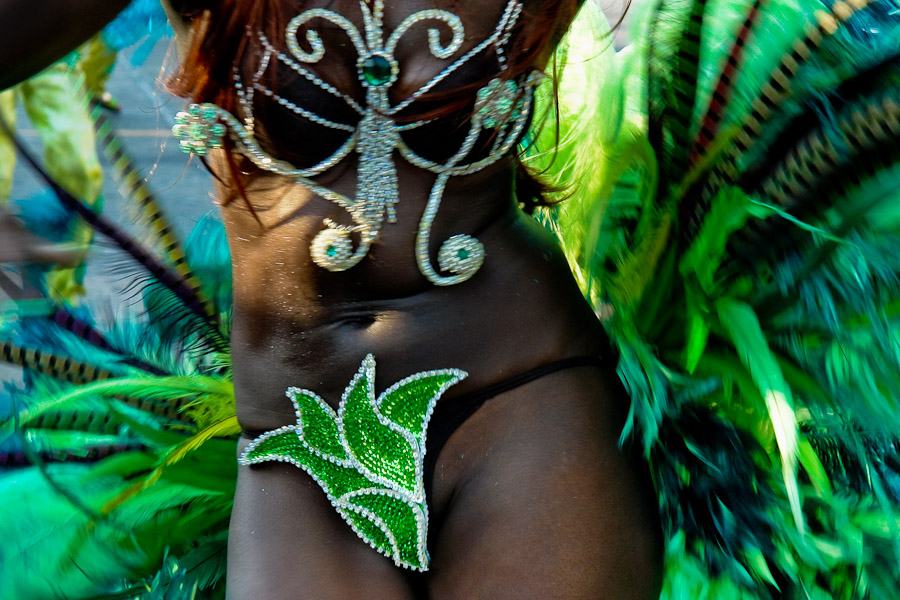
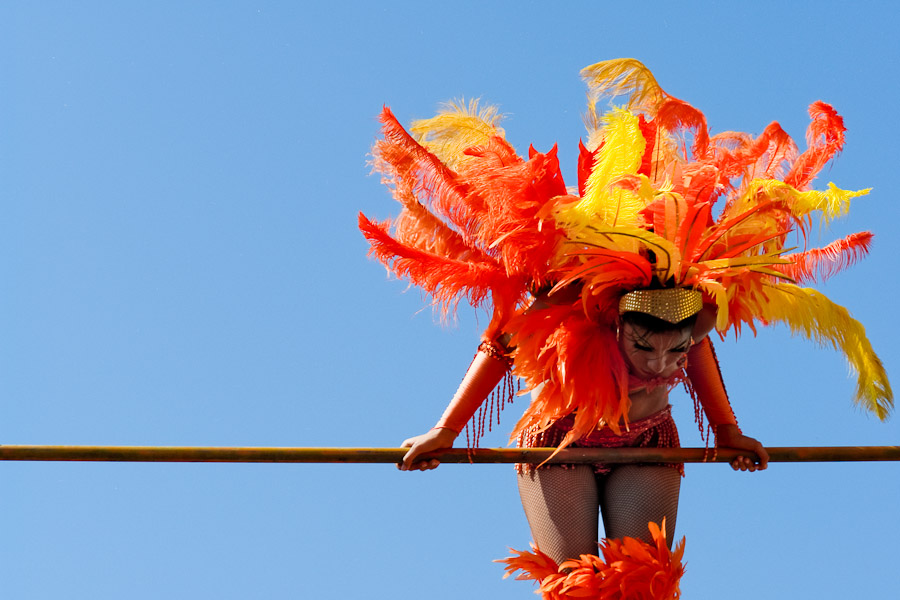
Comparsas are carnival dance groups usually accompanied by live music. Their choreography can be based on a traditional theme but some of them take inspiration from different parts of the world.
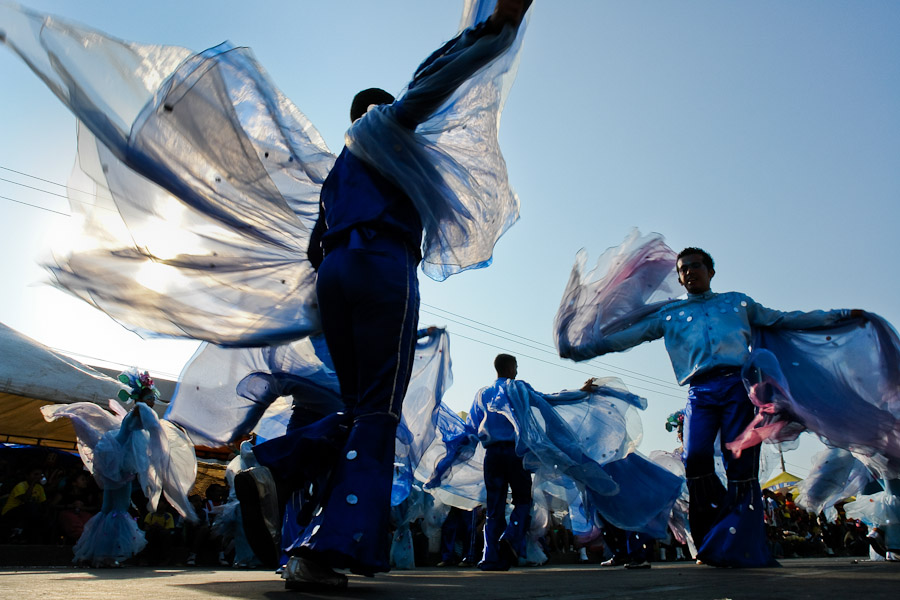
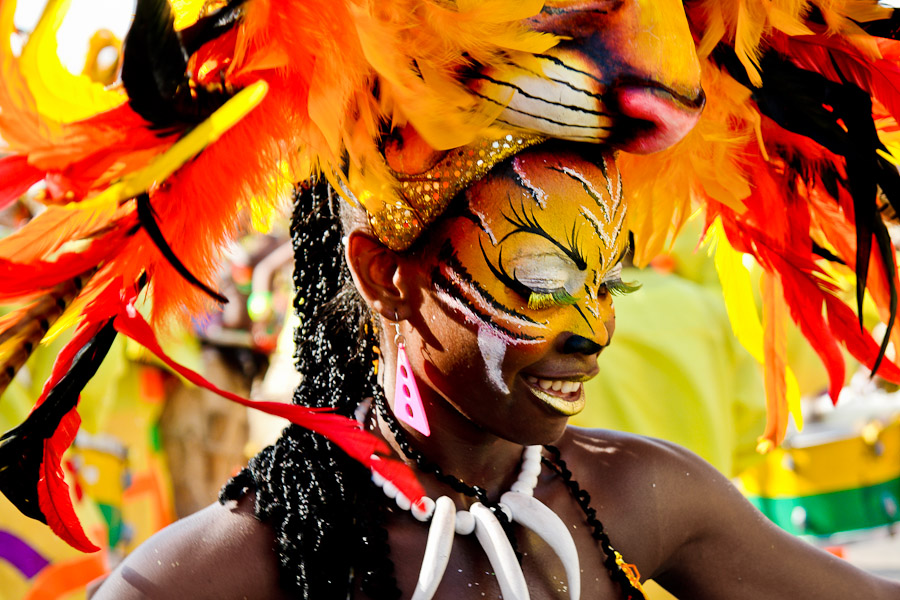
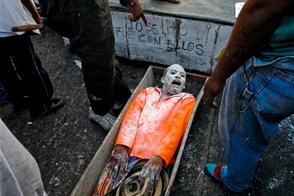
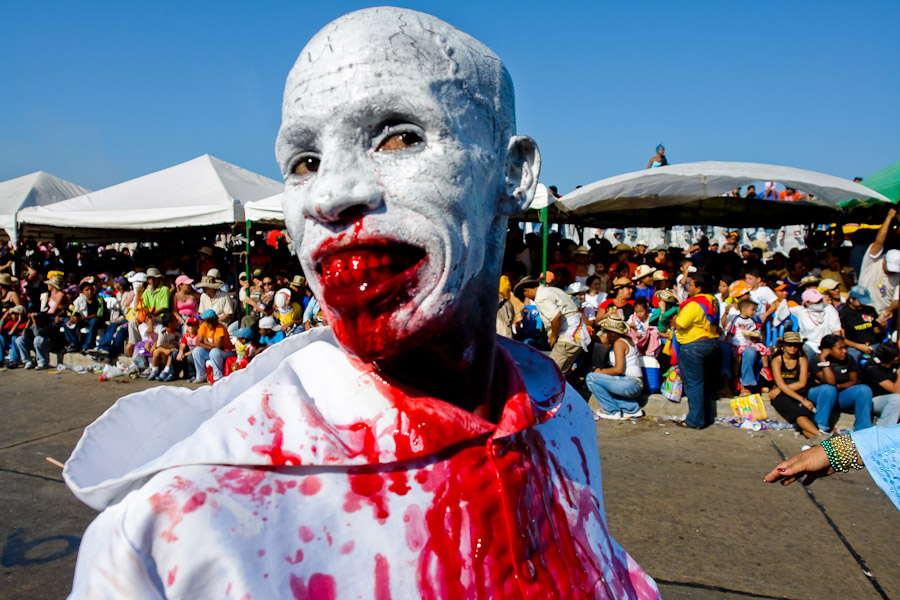
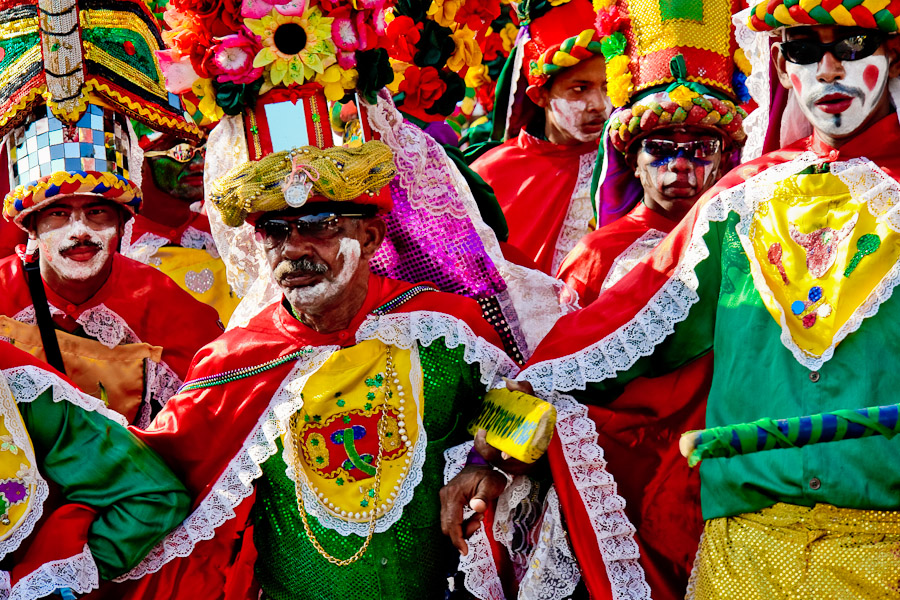
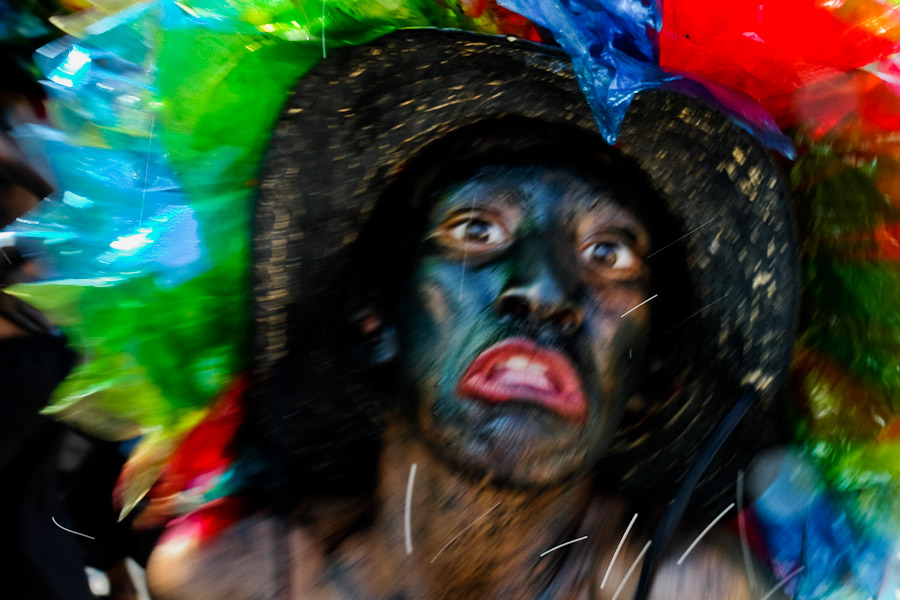
Masks and costumes are the integral part of the Barranquilla Carnival. They may be funny, crazy, politically related (Bush, Chavez, Bin Laden…) or just bizzare.
As the main Carnival events take place during the day the children participate in the procession very often. There are comparsas exclusivelly formed by kids (Cumbia Infantil).
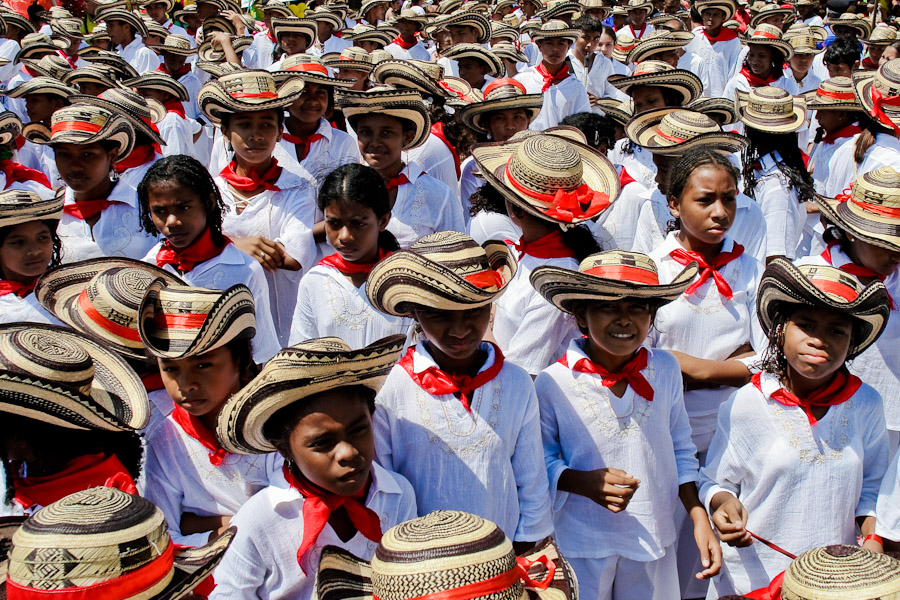
The Carnival of Barranquilla is full of joy, euphoria and emotions.
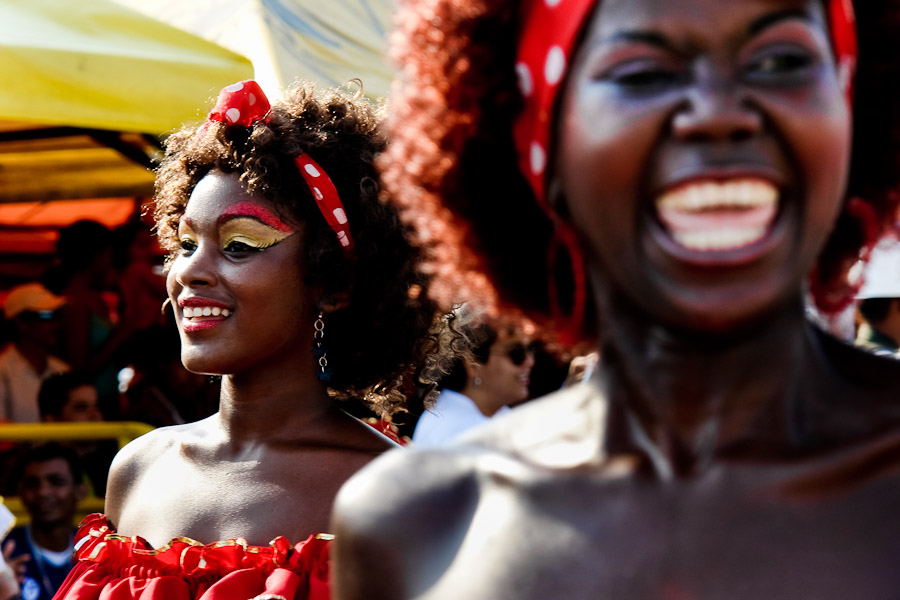
El Congo is a dance of the warrior. The origin of Congo dance goes down to Africa and its choreography should represent a fight between a bull and a Congo warrior.
The Carnival of Barranquilla celebrates the Black African presence in Colombia.
From early childhood kids are educated to participate in the Carnival tradition that dates back to the second half of the 19th century.
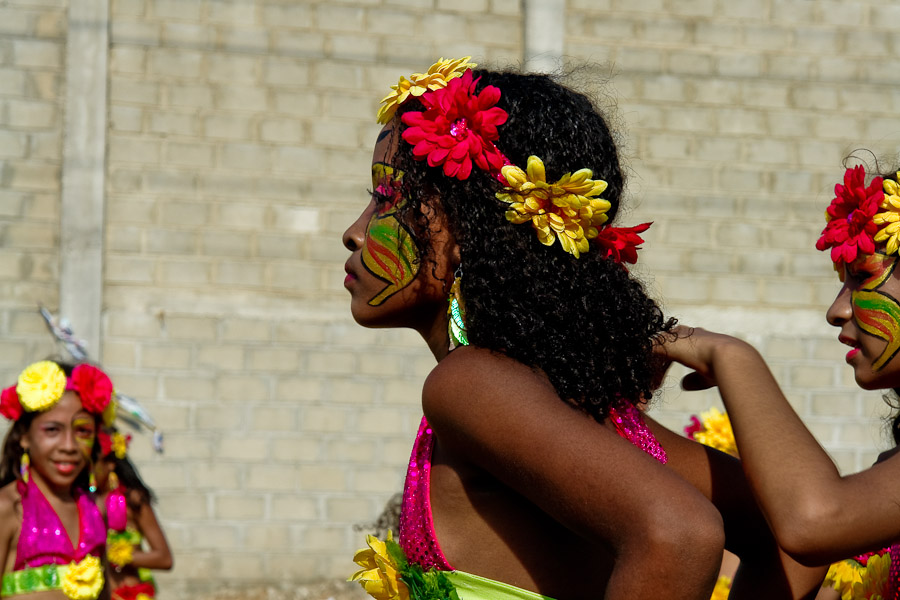
Although the Carnival of Barranquilla is still little commercionalized (in compare with Rio de Janeiro Carnival), beautiful costly costumes or make-ups can be seen there.
Son de Negro is a traditional man's dance. It is an allegory where a slave laughs at his master. It originates from villages along Canal del Dique (the Magdalena River).
In November 2003 the Carnival of Barranquilla was proclaimed as one of the Masterpieces of the Oral and Intangible Heritage of Humanity by UNESCO.
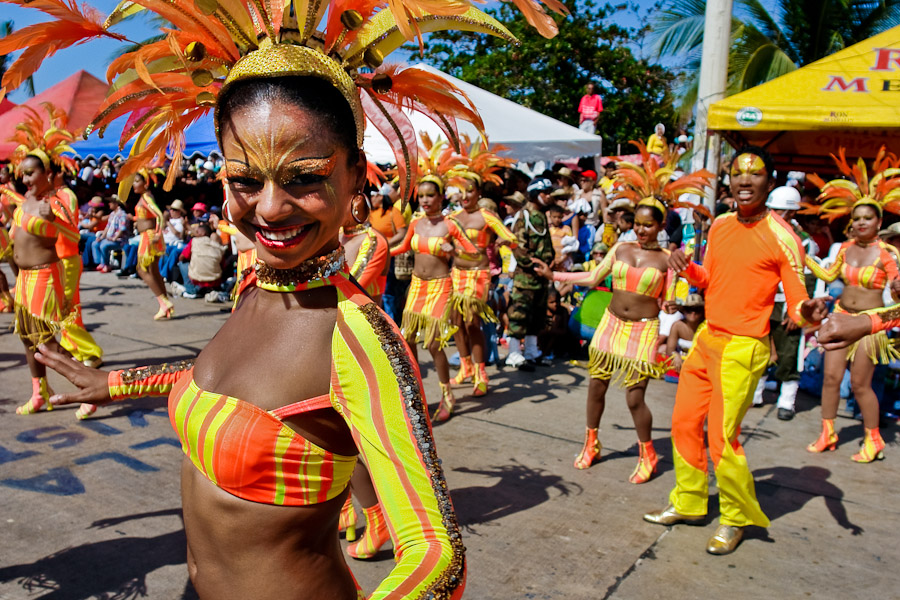
The Battle of Colors
Barranquilla, Colombia – February 2006
The Carnival of Barranquilla is a unique festivity which takes place every year during February or March on the Caribbean coast of Colombia. Cumbia, both music and dance, is considered to be the main essence of the Carnival. A colourful mixture of the ancient African tribal dances and the Spanish music influence – cumbia, porro, mapale, puya, congo among others – hit for five days nearly all central streets of Barranquilla, the capital of the Atlántico Department. Those traditions kept for centuries by Black African slaves have had the great impact on Colombian culture and Colombian society. In November 2003 the Carnival of Barranquilla was proclaimed as the Masterpiece of the Oral and Intangible Heritage of Humanity by UNESCO.
no comments yet